
Nail Health
Common Nail Conditions & Care
Understand your nails. Recognize the signs. Care with confidence.
At Palm Nail Lounge, we believe understanding your natural nails is an important part of caring for them. Changes in nail color, texture, strength or appearance are not always a cause for concern, but knowing what to look for can help you make informed decisions about your nail care.
From peeling and brittle nails to ridges, discoloration and nail separation, some concerns may be related to everyday habits or previous nail services, while others may indicate an underlying medical condition. Our guide explores six common nail concerns, what may cause them, how to care for your nails at home and when to seek professional advice.
01
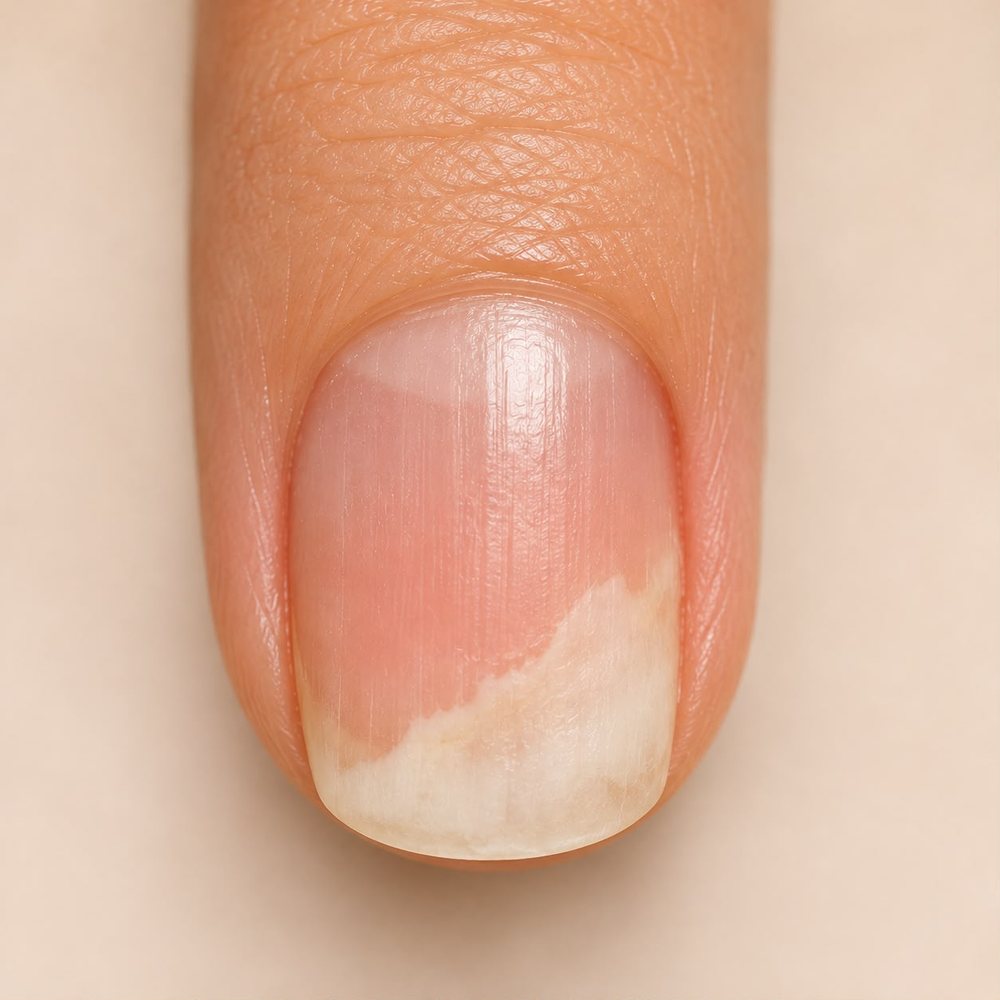
Onycholysis
When the natural nail separates from the nail bed.
Onycholysis occurs when the nail plate lifts away from the underlying nail bed. The separated area often appears white or opaque and may begin near the tip or sides of the nail.
What can cause it?
Nail trauma, repeated pressure, aggressive manicuring, improper product removal, irritation from nail products, fungal infections and certain medical conditions.
At-home care
- Keep the affected nail short, clean and dry.
- Wash gently with mild soap and water, then dry thoroughly.
- Avoid picking beneath the separated nail or attempting to push it back into place.
- Wear protective gloves when cleaning or working with water.
- Avoid applying oils, polish or other cosmetic products beneath the lifted area.
Once a portion of the nail has separated, it generally cannot reattach. New nail must grow forward to replace the affected portion.
Can I still get a manicure?
Avoid applying enhancements over the separated area. A professional assessment may be needed before any cosmetic service.
When to see a doctor
For unexplained or persistent separation, increasing discoloration, pain, swelling, redness or signs of infection.
02
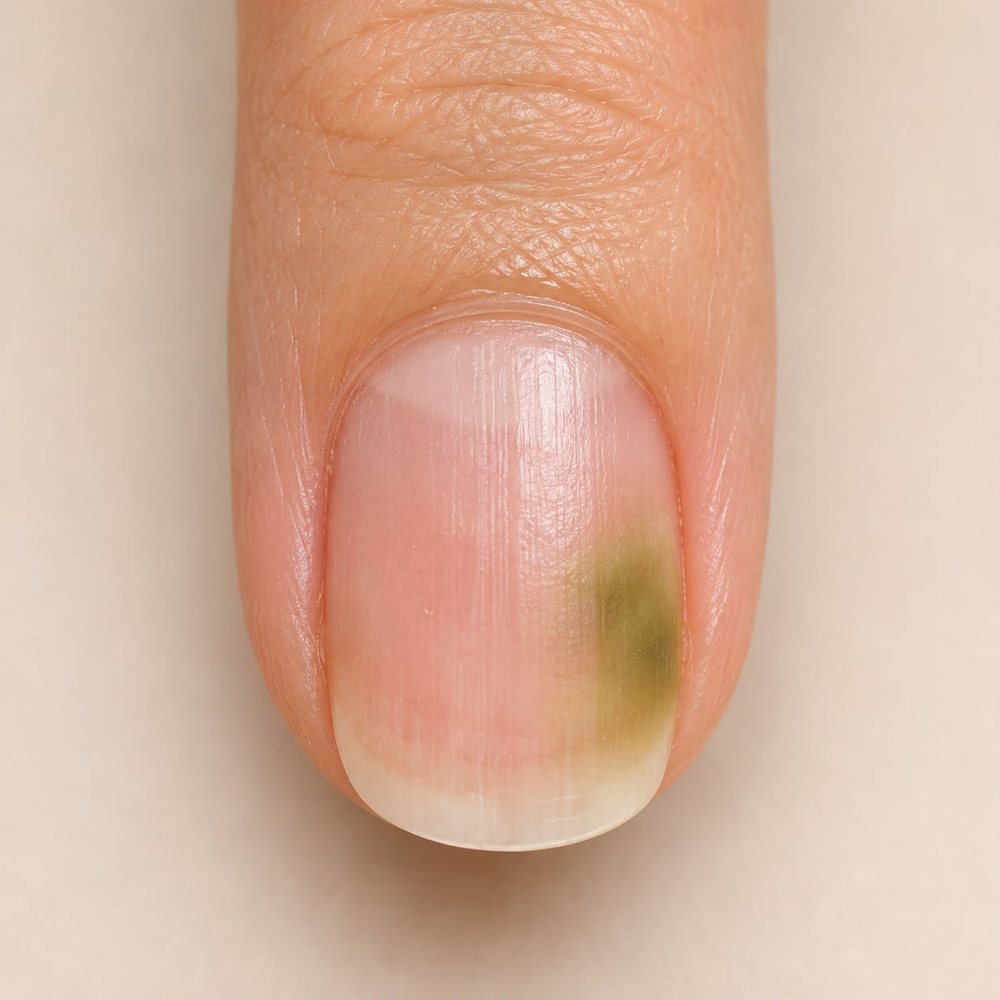
Green Nail Syndrome
When green discoloration appears on or beneath the nail.
Green nail syndrome is commonly associated with Pseudomonas bacteria. It can occur when moisture becomes trapped in spaces created by nail separation or lifted enhancements.
What can cause it?
Persistent moisture, lifted nail products, nail separation and repeated exposure to water. Not every green or dark discoloration has the same cause.
At-home care
- Keep the nail clean and dry.
- Avoid prolonged soaking and unnecessary exposure to moisture.
- Do not pick beneath the nail or scrape away discoloration.
- Do not cover the affected nail with polish, gel or enhancements.
- Arrange a medical evaluation to determine whether treatment is needed.
Can I still get a manicure?
If infection is suspected, Palm should postpone cosmetic services on the affected nail until it has been evaluated and is suitable for treatment.
When to see a doctor
Green discoloration warrants medical assessment, particularly if it is new, spreading or accompanied by pain, redness, swelling or drainage.
03
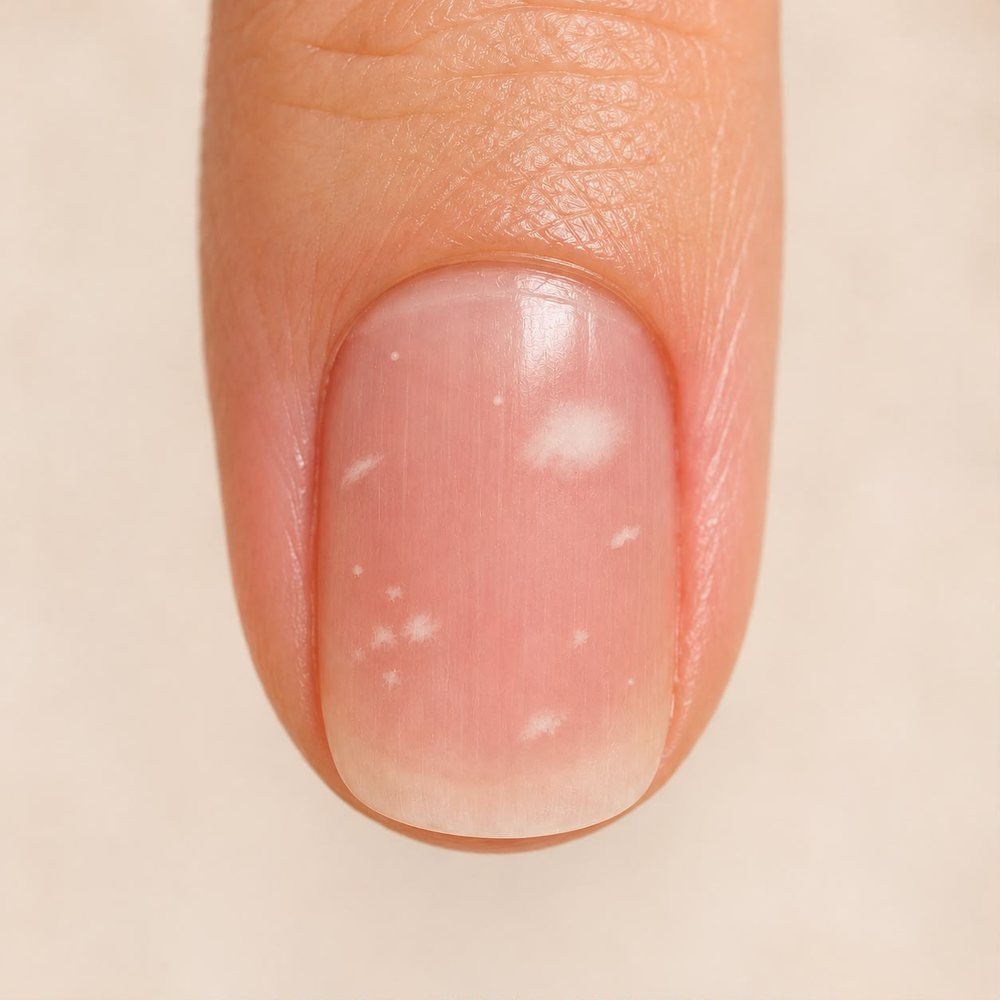
Leukonychia
White spots or markings on the natural nail.
Leukonychia describes white discoloration of the nail. Small white spots are common and often develop after minor trauma to the nail as it grows.
What can cause it?
Minor injuries, pressure, nail picking and manicure-related trauma. Other patterns of white discoloration can have different causes.
At-home care
- Allow small, trauma-related white spots to grow out naturally.
- Keep nails gently shaped and moisturized.
- Avoid picking, scraping or buffing away the white areas.
- Protect nails from repeated impact and unnecessary pressure.
Can I still get a manicure?
If the nail is otherwise healthy and intact, a manicure is often appropriate.
When to see a doctor
For widespread, persistent or unexplained white changes, particularly if several nails are affected or the appearance changes suddenly.
04
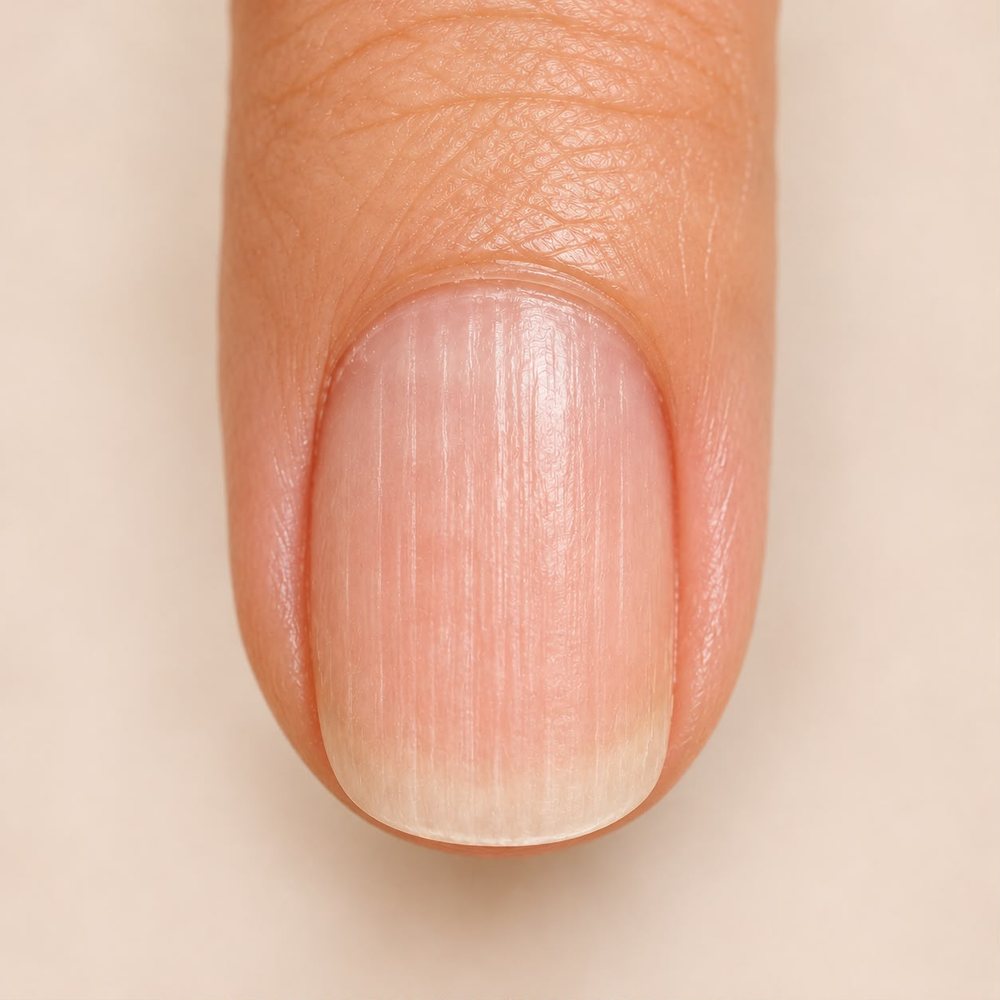
Nail Ridges
Understanding changes in nail texture.
Fine vertical ridges running from the cuticle toward the tip are common and may become more noticeable with age.
What can cause it?
Natural aging and previous trauma can influence nail texture. New horizontal grooves, deep ridges or sudden changes may have other underlying causes.
At-home care
- Apply hand cream regularly, including around the nails and cuticles.
- Use a gentle cuticle oil or moisturizer to help reduce dryness.
- Wear gloves when cleaning or handling detergents.
- Keep nails at a comfortable, manageable length.
- Avoid aggressive buffing to flatten the ridges.
Can I still get a manicure?
Many nails with ordinary vertical ridges can receive suitable nail services, provided the technician avoids excessive filing.
When to see a doctor
New horizontal grooves, deep depressions, sudden changes in nail shape or texture, or changes affecting several nails should be evaluated.
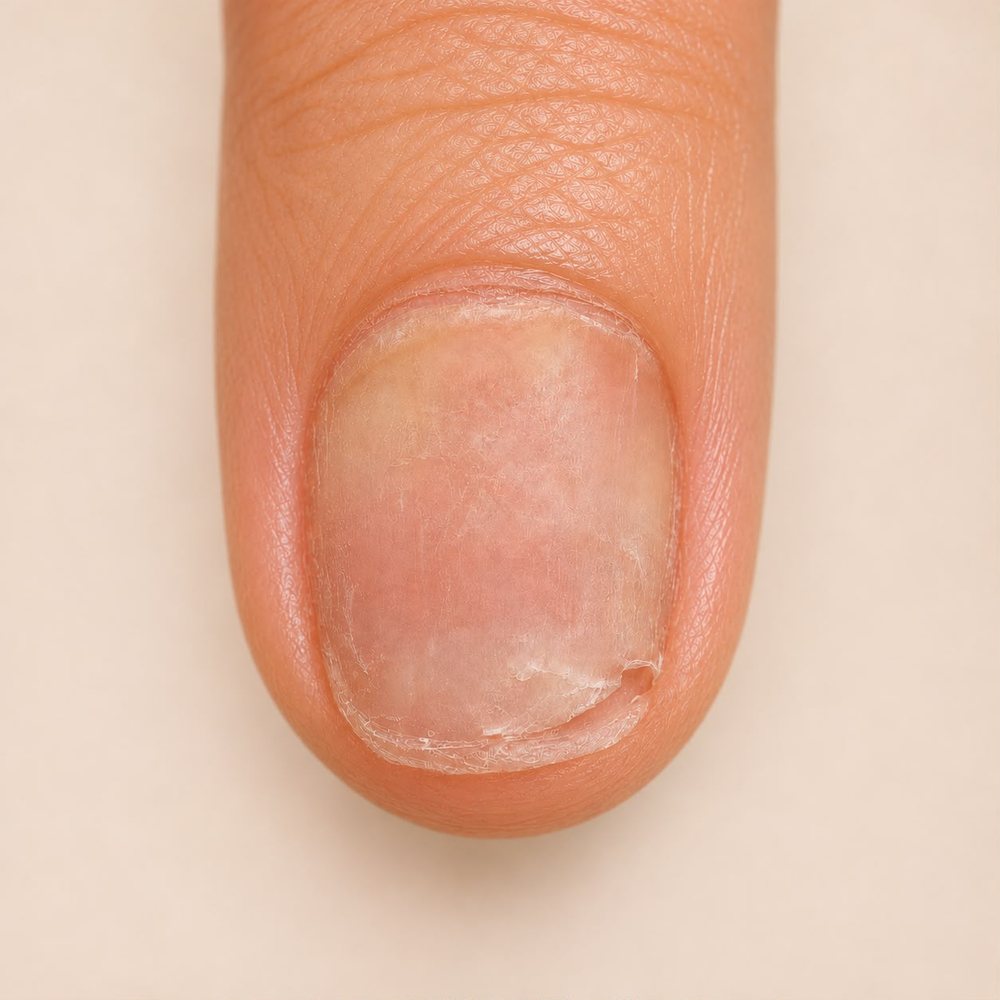
05
Brittle & Peeling Nails
When nails split, flake or peel in layers.
Brittle nails may feel dry, fragile or easily broken. Peeling often appears near the free edge, where thin layers of the nail begin separating.
What can cause it?
Repeated exposure to water and detergents, excessive filing, forceful product removal, mechanical trauma and certain underlying health conditions.
At-home care
- Apply a fragrance-free hand cream after washing your hands.
- Use cuticle oil or a gentle moisturizer regularly.
- Keep nails short and gently filed to reduce snagging.
- Wear gloves when washing dishes or using household cleaning products.
- Avoid picking, peeling, aggressive buffing and repeated product removal.
- Give significantly damaged nails time to grow without additional trauma.
Can I still get a manicure?
A gentle natural-nail manicure may be appropriate depending on nail condition. If nails are significantly thin, sensitive or peeling, postpone enhancements and avoid additional buffing. Dazzle Dry or a Japanese manicure may be considered when suitable, but neither replaces damaged nail layers.
When to see a doctor
If brittleness is persistent, worsening, painful, affecting many nails or accompanied by other unexplained changes.
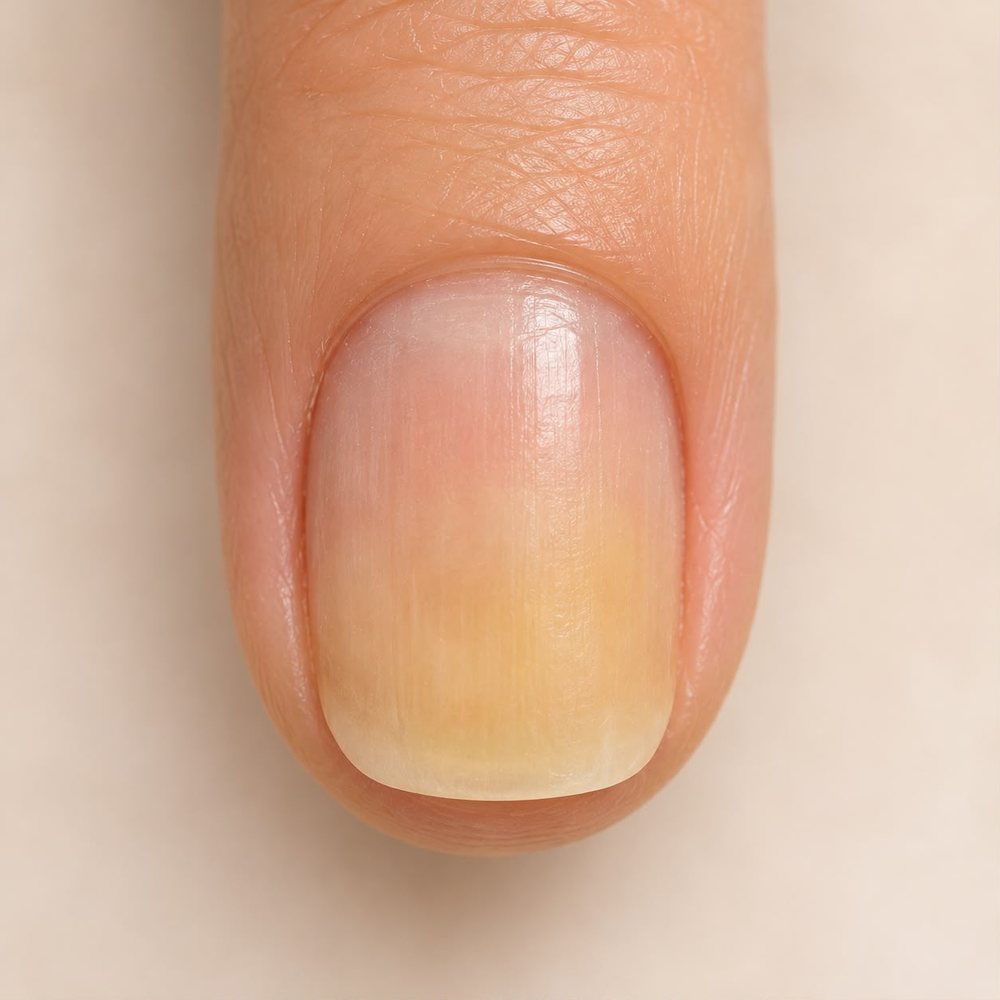
06
Yellow or Discolored Nails
When the natural nail changes color.
Yellowing may result from staining caused by pigmented nail polish, but discoloration can also be associated with fungal infections, other nail disorders or underlying medical conditions.
What can cause it?
Repeated use of highly pigmented polish, tobacco exposure, infection and certain medical conditions.
At-home care
- If staining is clearly cosmetic, allow the affected area to grow out naturally.
- Keep nails clean, dry and gently maintained.
- Avoid scraping, aggressive buffing or harsh whitening treatments.
- If discoloration persists or the nail thickens, seek medical evaluation.
Can I still get a manicure?
If staining is clearly cosmetic and the nail is otherwise healthy, a manicure may be appropriate. If infection or another condition is suspected, product application should be postponed.
When to see a doctor
For unexplained or persistent yellowing, thickening, crumbling, separation, pain or discoloration affecting multiple nails.
A Simple At-Home Nail Care Routine
Healthy nail maintenance does not need to be complicated. A few consistent habits can make a meaningful difference.
- Clean gently. Wash hands and nails with mild soap and water. Avoid harsh scrubbing and dry thoroughly.
- Moisturize daily. Apply hand cream and cuticle oil to help maintain moisture in the nails and surrounding skin.
- Protect against excess water. Wear gloves when washing dishes, cleaning or handling detergents.
- File with care. Keep nails at a manageable length and gently smooth rough edges to prevent snagging.
- Avoid unnecessary soaking. Repeatedly soaking nails in water or harsh cleansing solutions can contribute to dryness and irritation.
- Never pick or peel enhancements. If gel or another nail product begins lifting, arrange professional removal or assessment.
- Recognize when home care is not enough. Pain, swelling, suspected infection or persistent changes in nail appearance should be evaluated by a healthcare professional.
When to Seek Professional Medical Advice
A nail technician can observe changes in the appearance of nails but cannot diagnose or treat medical conditions. Consult a qualified healthcare professional for persistent pain, swelling, bleeding, suspected infection, unexplained nail separation, new dark streaks or significant changes in nail color or texture.
Seek prompt care if redness or swelling is spreading, there is pus or fever, or pain is significant.
At Palm, we believe knowing when not to perform a service is just as important as knowing how to perform one.
Thoughtful Care Begins with Understanding
The condition of your natural nails should always be considered when choosing a manicure. Whether your nails need gentle maintenance, careful removal, additional hydration or time to grow, understanding their condition is an important first step.
For more guidance on preserving your natural nails, professional removal and everyday care, explore The Palm Guide to Nail Health
This guide is provided for educational purposes and does not replace professional medical advice, diagnosis or treatment.